2026-09-29 ·
Understanding Sewer Line Bellies & Sags: Causes, Signs, and Fixes in Tempe
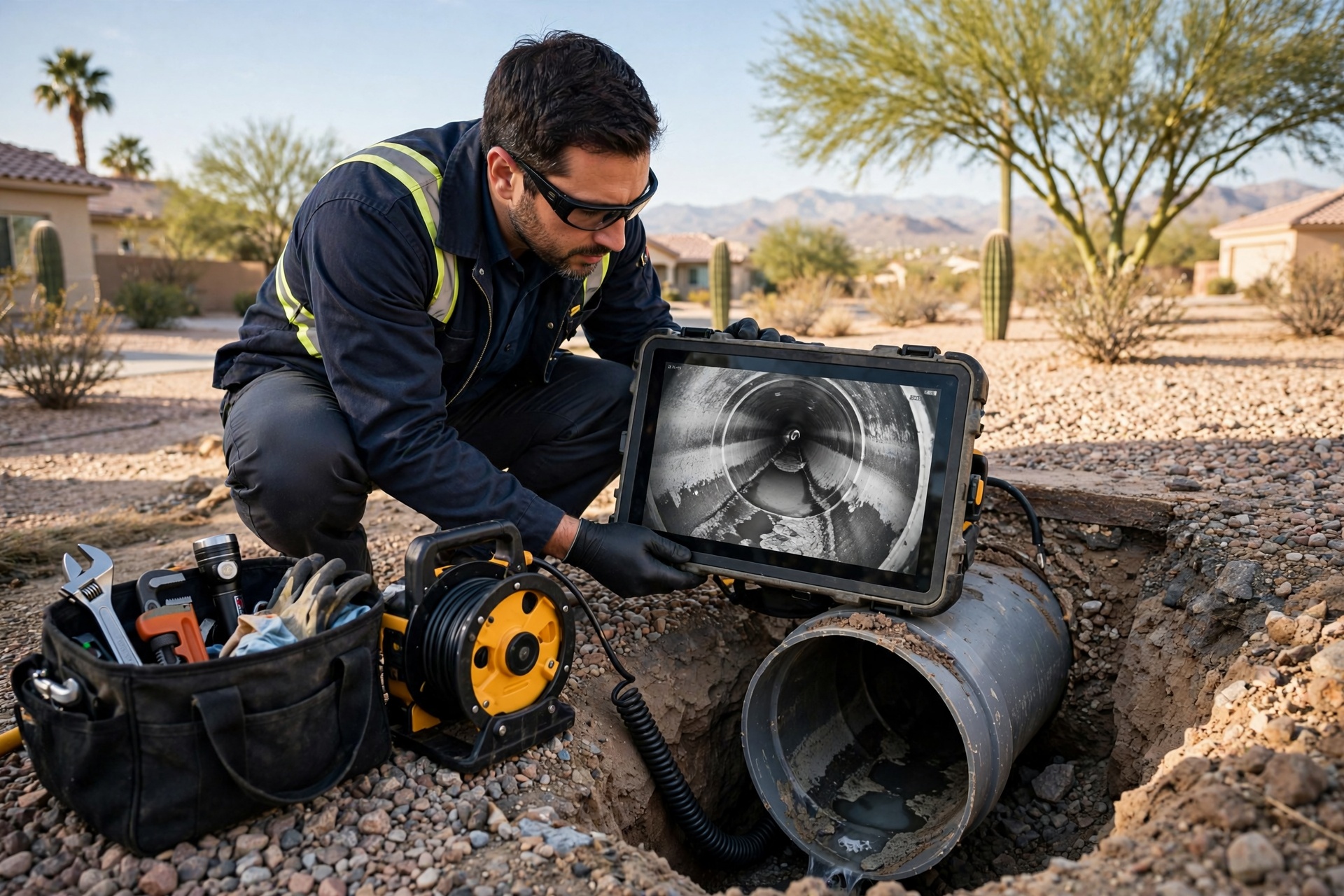
In Tempe, sewer line bellies and sags develop mainly from soil movement in Maricopa County's expansive clay and sandy soils, especially around Downtown Tempe and near Tempe Town Lake where older homes from the 1970s sit on shifting ground; these dips cause waste to pool instead of flowing freely, often requiring targeted repairs like those offered through sewer line belly repair services.
Causes of Bellies and Sags in Local Pipes
Tempe's extreme summer heat above 110 degrees accelerates ground contraction and expansion, which stresses sewer lines installed decades ago in neighborhoods like South Tempe and Papago Park. Mild winters with occasional heavy rains add moisture that softens soil around Arizona State University and Mill Avenue properties, allowing pipes to sag over time. Cast iron lines common in Central Tempe homes corrode internally while external soil pressure from nearby Phoenix and Mesa developments compounds settling. Tree roots from mature landscaping in these areas also push against joints, creating the initial low points that worsen into full bellies.
Common Signs Homeowners Notice
Slow drains in multiple fixtures often appear first in South Tempe houses where bellies trap solids. Gurgling sounds from toilets or recurring clogs despite snaking point to pooled water rather than simple blockages. Foul odors near cleanouts or wet spots in yards around Papago Park indicate leakage from sagging sections. In Maricopa County homes built before 1980, these symptoms frequently coincide with backups during monsoon season when extra water volume overwhelms compromised lines.
How Camera Inspections Confirm the Problem
A high-resolution sewer camera inspection reveals the exact location and depth of bellies by traveling through lines from cleanouts, showing standing water or pipe deformation in real time. This step prevents unnecessary excavation in tight lots near Tempe Town Lake. See What a High-Resolution Sewer Camera Inspection Actually Reveals in Tempe Pipes for details on what footage typically uncovers in local soil conditions. Operators note slope changes as small as one-quarter inch per foot that create ongoing flow issues.
Repair Options That Match Tempe Conditions
Trenchless pipe lining works well for minor sags in accessible sections by creating a smooth interior without disturbing landscaping around Arizona State University. For deeper bellies caused by soil shifts, sewer line belly repair often combines hydro jetting to clear debris first, then targeted excavation or sectional replacement. Hydro Jetting vs Snaking: When Tempe Homeowners Need High-Pressure Jetting explains when pressure methods restore flow versus when structural fixes are required. Costs typically range from $1,800 to $4,500 depending on depth and access in Maricopa County lots.
Preventing Future Issues in Desert Soil
Regular maintenance every 18 to 24 months helps catch early settling before it becomes a belly, particularly for homes in Downtown Tempe with mature trees. Proper grading around foundations reduces water pooling that softens soil during rare winter rains. Installing cleanouts at strategic points allows easier future access without major disruption. These steps account for the region's temperature swings that continue stressing older pipe materials long after initial installation.